

The Science of Lifelong Health
The definitive evidence-based blueprint for building resilience, preventing chronic disease, and extending quality years of life in a rapidly changing world.
Introduction: Why Modern Health Requires Modern Understanding
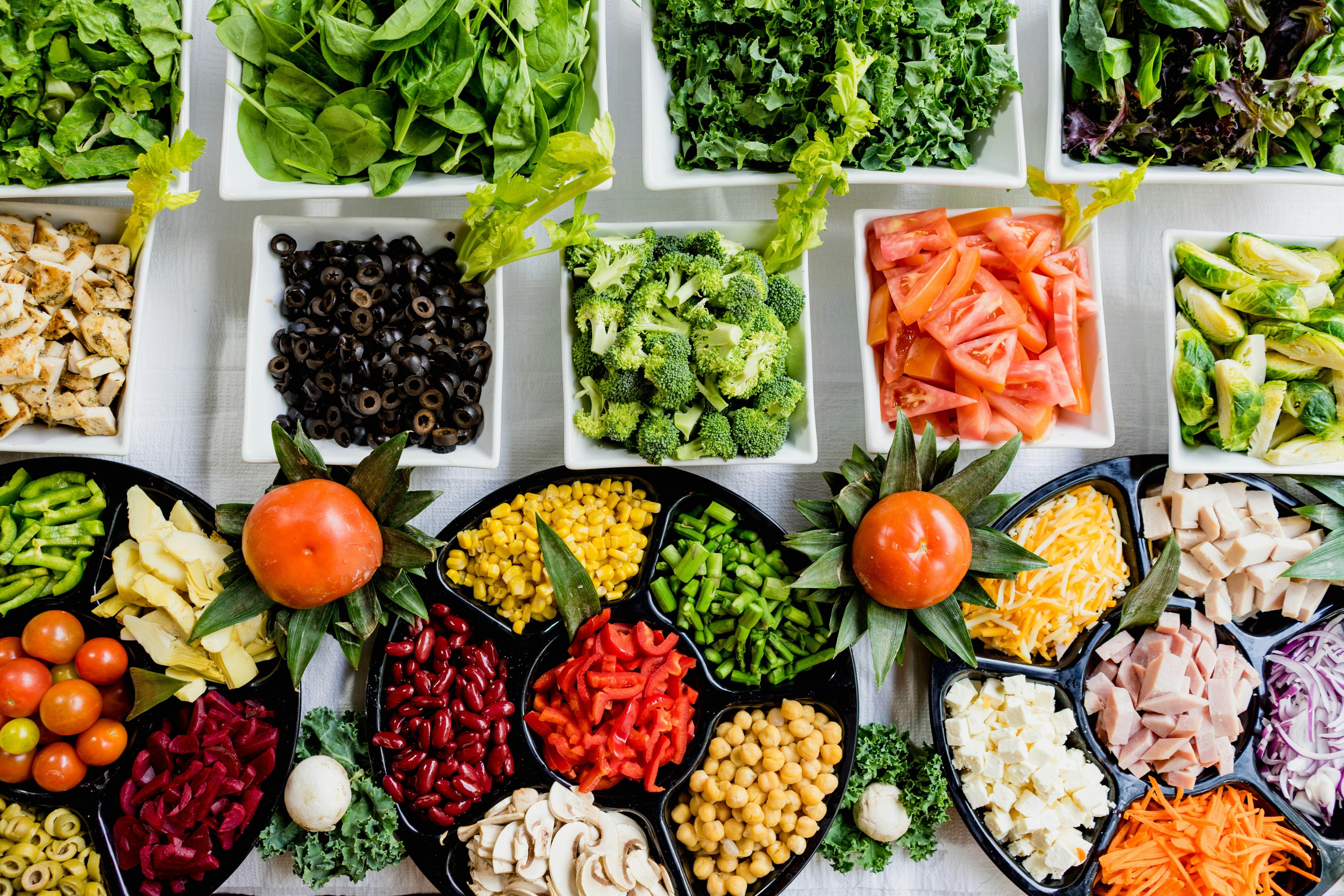
We live in a paradox. Medical technology has never been more advanced, yet chronic disease continues to rise globally. Heart disease, diabetes, obesity, and stress-related disorders now define public health challenges across developed and developing nations.
Source: https://www.who.int/news-room/fact-sheets/detail/noncommunicable-diseases
The Centers for Disease Control and Prevention reports that 6 in 10 U.S. adults live with at least one chronic disease.
Source: https://www.cdc.gov/chronicdisease/about/index.htm
Yet decades of scientific research consistently demonstrate that many of these conditions are heavily influenced by modifiable lifestyle behaviors. The challenge is not a lack of information. The challenge is clarity, consistency, and sustainable execution.
The Four Foundational Pillars of Human Health

Extensive public health research converges around four foundational pillars:
- Nutrition quality
- Physical activity
- Sleep and recovery
- Preventive healthcare
Each pillar influences metabolic regulation, inflammation control, cardiovascular function, hormonal balance, and immune resilience.
Source: https://www.cdc.gov/chronicdisease/index.htm
Nutrition: The Biological Language of Longevity
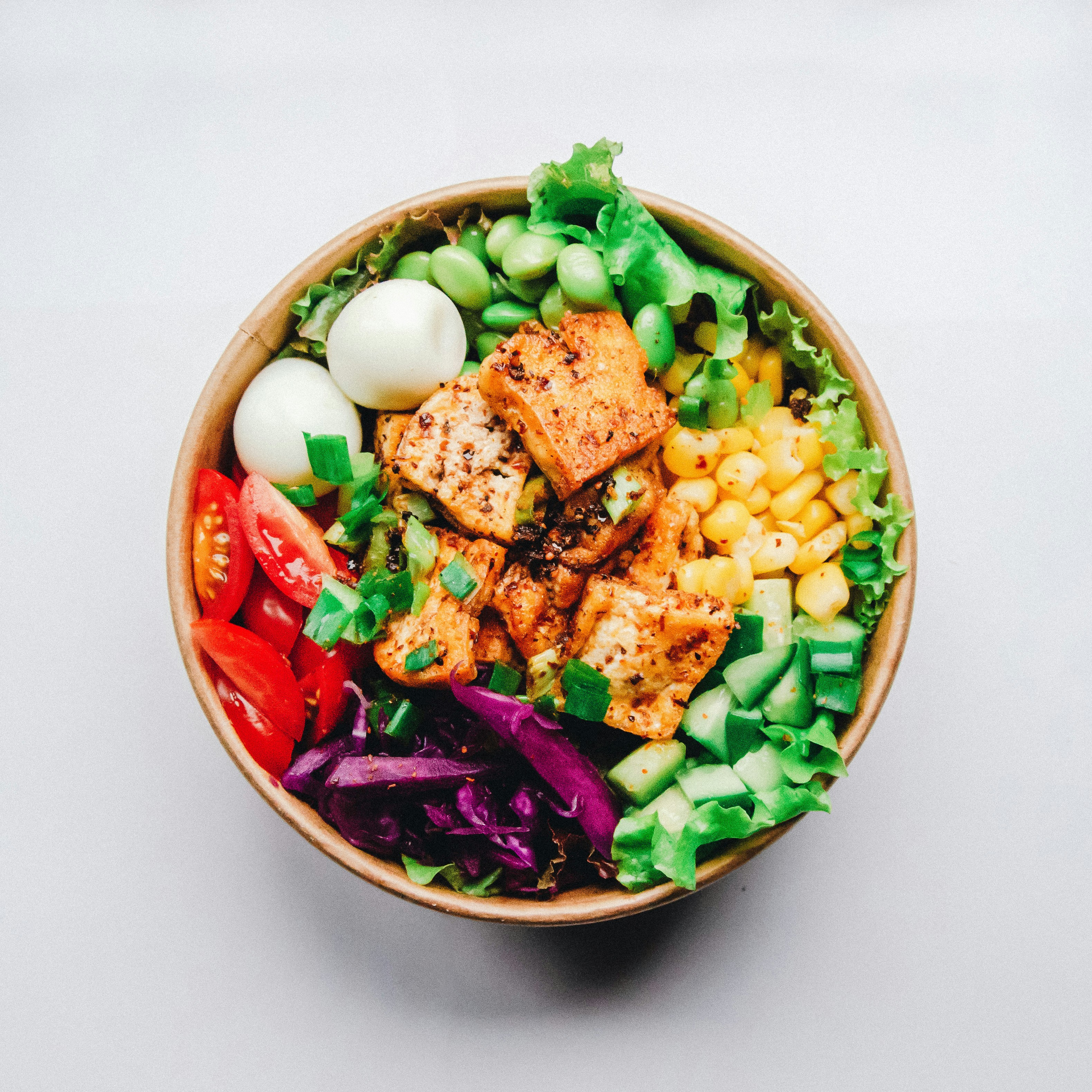
Nutrition is not merely about weight management. It is cellular communication. The nutrients you consume influence gene expression, metabolic pathways, inflammatory responses, and long-term disease risk.
The World Health Organization recommends:
- At least 400g of fruits and vegetables daily
- Less than 5g of salt per day
- Free sugars below 10% of total energy intake
https://www.who.int/news-room/fact-sheets/detail/healthy-diet
Dietary patterns consistently associated with longevity include plant-forward eating, high fiber intake, healthy fats (such as those found in nuts and olive oil), and limited ultra-processed foods.
Your Health Is Built Daily — Not Occasionally
Small consistent actions shape long-term biology. What you repeat, compounds.