

Remote Work Insights: Navigating the Modern Job Market
How Remote Jobs Are Transforming Careers, Companies, and Global Lifestyles
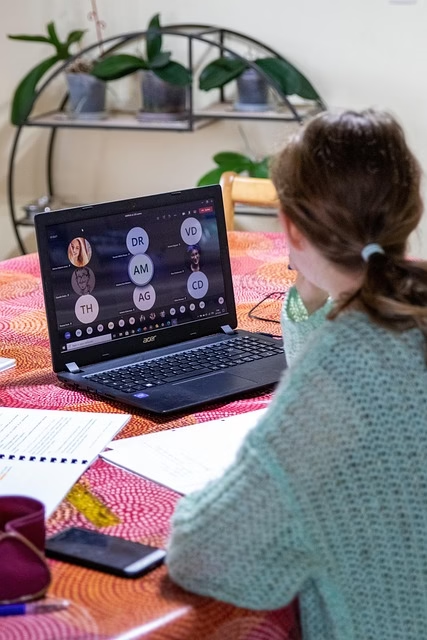
The remote job industry has grown exponentially over the past decade. Once a niche opportunity for flexible workers, remote work has evolved into a mainstream career option for millions worldwide. According to McKinsey & Company, over 50% of the workforce has the potential to work remotely at least part-time, and businesses are restructuring their operations to leverage this shift.

Advanced digital tools have fueled this transformation. Platforms like Slack, Zoom, and Asana allow seamless collaboration across continents. Teams can now share files, track projects, and communicate in real time, enabling companies to hire talent globally while employees access opportunities they might never have locally.
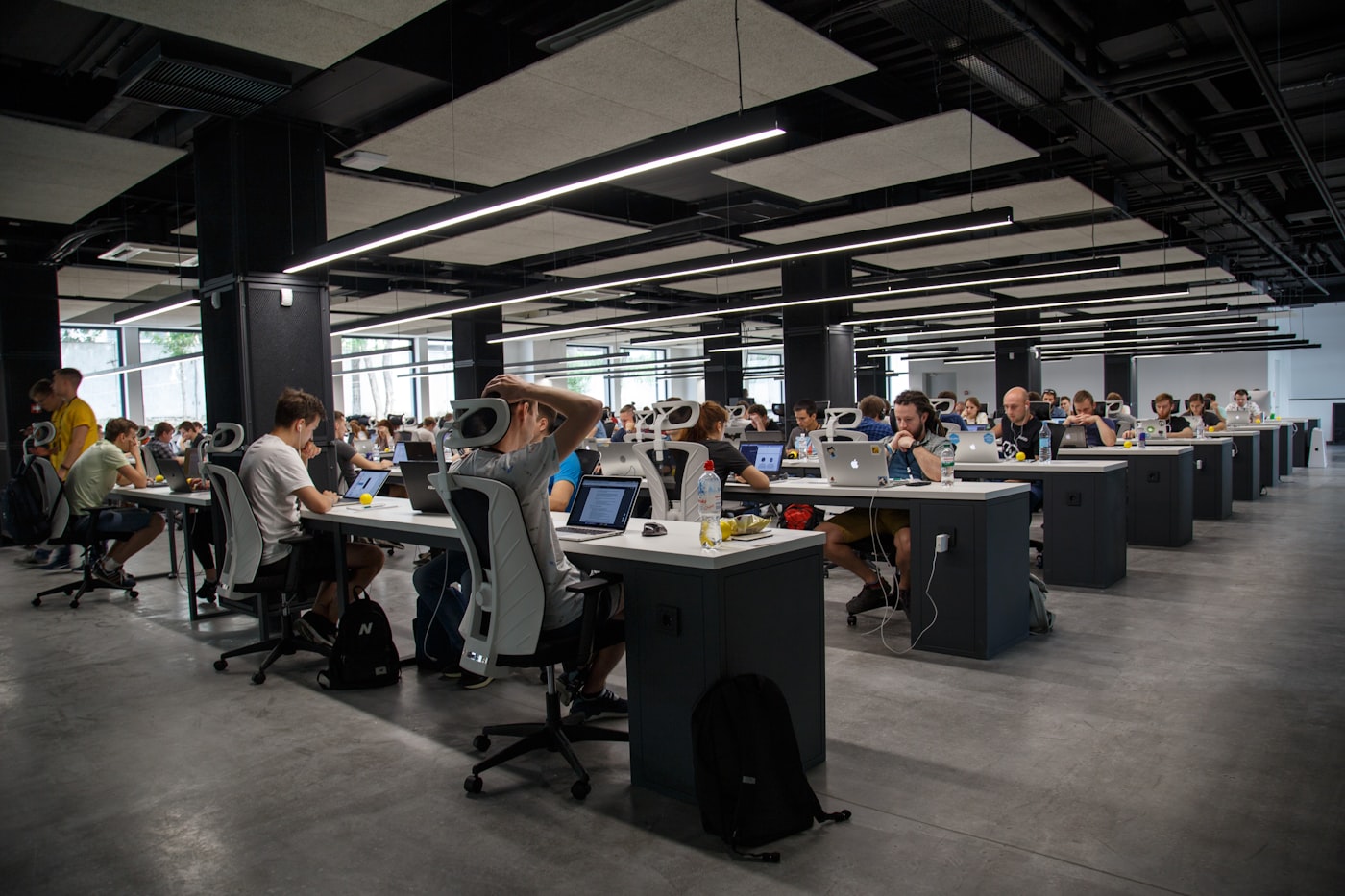
Remote work provides unprecedented flexibility. Employees can work from home, coworking spaces, cafes, or while traveling. A 2024 survey from Pew Research found that the majority of remote workers report improved work-life balance and mental well-being. Freedom of schedule allows for a healthier lifestyle, more family time, and reduced commuting stress.
Key Benefits Driving Remote Work Adoption
- Flexibility: Employees can tailor work hours to fit personal schedules.
- Cost Savings: Reduced commuting and office expenses for both workers and companies.
- Global Opportunities: Access to international jobs regardless of location.
- Increased Productivity: Many remote workers report better focus and efficiency.
- Employee Retention: Companies offering remote options see higher loyalty and reduced turnover (Gallup).

However, remote work comes with challenges. Isolation, blurred boundaries, and communication gaps are common. According to Harvard Business Review, successful remote teams focus on outcomes rather than hours logged, using structured check-ins and asynchronous communication tools to stay aligned.
Tools, Platforms, and Technology
Remote work success relies on technology:
- Project Management: Tools like Trello, Monday.com, and Jira.
- Communication: Zoom, Microsoft Teams, Google Meet.
- File Sharing: Dropbox, Google Drive, Box.
- Productivity: Notion, Todoist, Evernote.
- Cybersecurity: VPNs, two-factor authentication, cloud security solutions (CISA).

AI and automation are transforming how tasks are handled. Virtual assistants, workflow automation, and AI-driven analytics reduce repetitive work, allowing employees to focus on strategic initiatives. World Economic Forum predicts that hybrid and remote work models will continue to dominate global employment trends.

Remote work democratizes opportunities. People from smaller towns or developing countries can now compete for high-paying positions. Freelancers and digital nomads leverage platforms like Upwork and Freelancer to connect with global clients, diversifying income sources and career paths.
Hybrid Work Models
Hybrid work—mixing in-office and remote work—has become a mainstream approach. Companies like Microsoft and Google report that hybrid models improve collaboration while preserving flexibility. Employees typically choose certain days in the office for team meetings and creative sessions, while spending other days fully remote to concentrate on focused tasks.

Cybersecurity is a critical concern for remote teams. VPNs, encrypted cloud storage, and zero-trust network models ensure that sensitive company data remains protected. Organizations are investing in remote-work security training to prevent breaches.
Career Growth and Remote Work
Remote work provides unique career development opportunities. Online learning platforms like Coursera and Udemy allow workers to upskill in-demand areas such as digital marketing, software development, and data analytics, which improves employability in the remote job market.

Remote work is not just a trend; it represents a permanent shift in the employment landscape. Companies that adapt quickly will attract top talent, reduce overhead costs, and remain competitive in a global economy.