How Safe Is Your Smart Home?
The Hidden Dangers of Alexa, Google Home, and Connected Devices
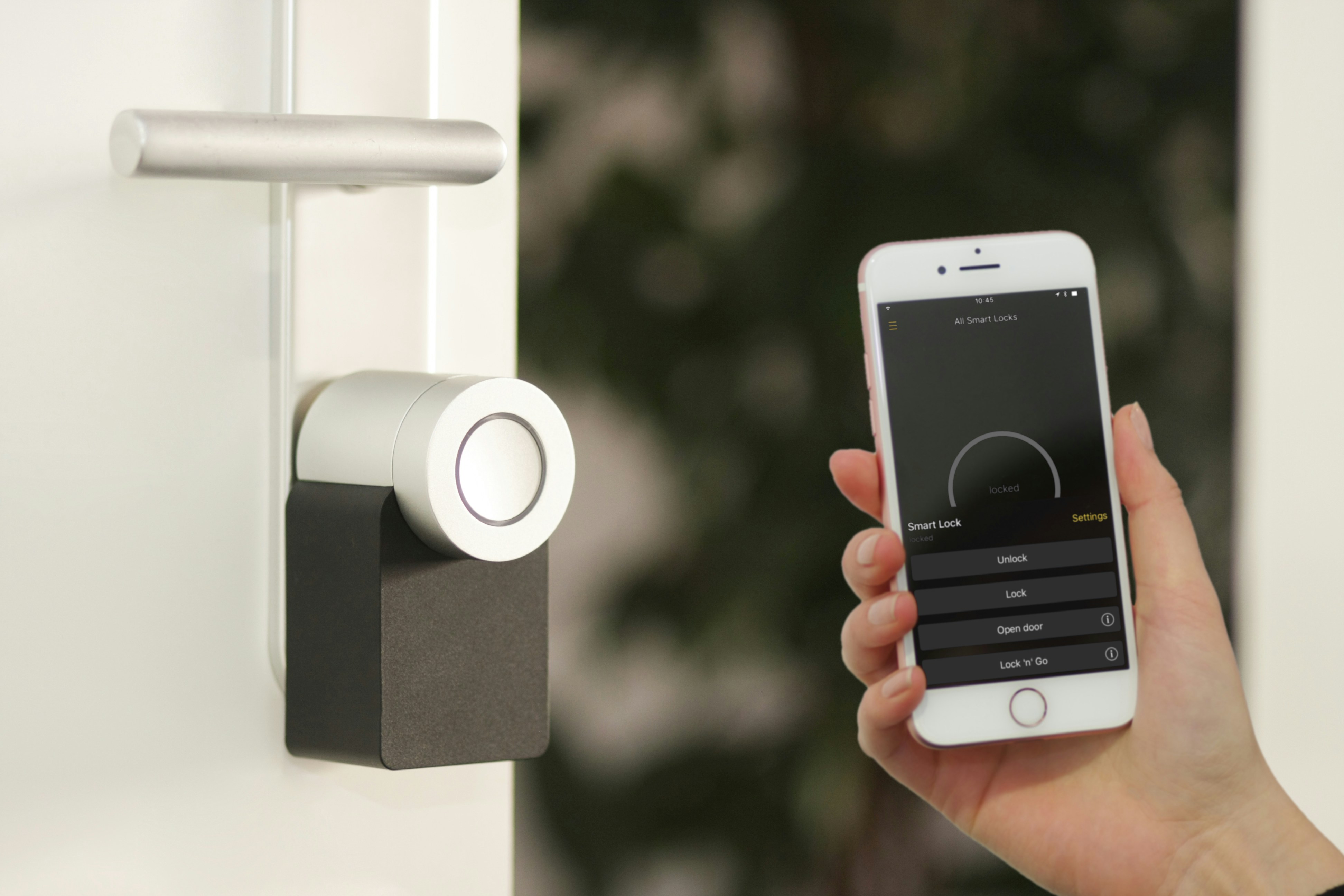
Smart homes are no longer the future. They are the present. Millions of families now rely on voice assistants, smart cameras, smart locks, and connected appliances to manage their daily lives. With a simple voice command, you can turn off lights, lock doors, check cameras, and control your entire home. But convenience always comes with trade-offs. And in the case of smart homes, that trade-off may be your privacy and security.
The Explosion of Smart Home Technology

According to Statista, there are over 400 million smart homes worldwide. Source: Statista Smart Home Report
In the United States alone, millions of households use Amazon Alexa and Google Home devices every day. These devices constantly communicate with cloud servers. They send and receive data continuously. Most users never see or control this process.
Your Voice Assistant Is Always Listening
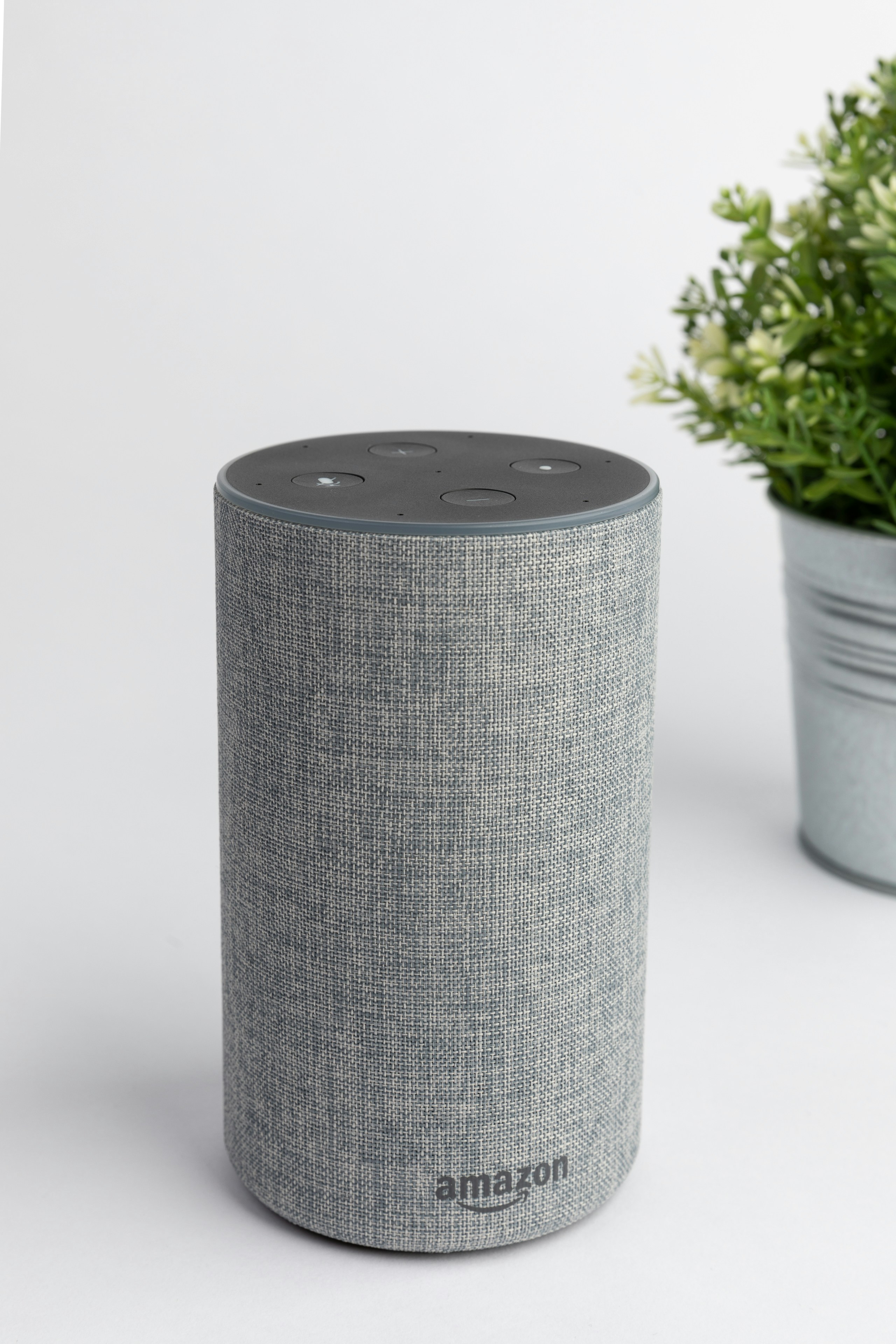
Smart assistants listen constantly for wake words like “Alexa” or “Hey Google.” This means their microphones remain active 24 hours a day.
According to research reported by CNBC:
Amazon workers listened to Alexa recordingsAmazon employees reviewed voice recordings to improve speech recognition. This raised serious privacy concerns.
Although companies say recordings are anonymous, privacy experts warn that voice data may still reveal sensitive personal information.
Hackers Are Actively Targeting Smart Homes
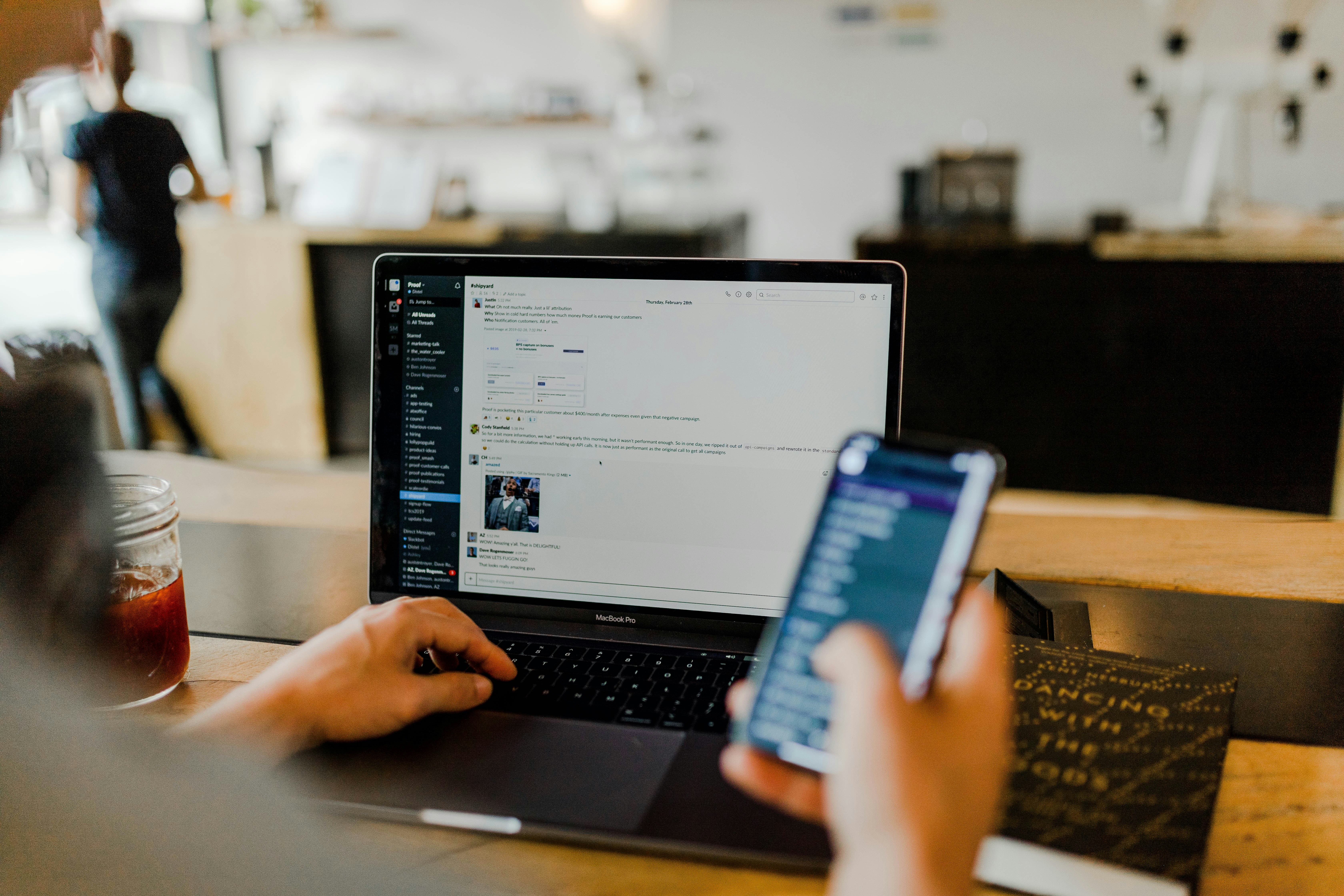
Hackers target:
- Security cameras
- Smart locks
- Smart speakers
- Wi-Fi routers
Once inside your network, attackers can monitor activity, steal data, or spy on your home.
Real Cases of Smart Home Hacking
There have been multiple real-world hacking incidents. In one case reported by NBC News:
Ring camera hacking caseHackers spoke to a child through a hacked smart camera. They gained access by guessing weak passwords.
This demonstrates how vulnerable smart homes can be without proper security.
Smart Homes Collect More Data Than You Think
Smart home devices collect data about:
- Your voice
- Your location
- Your routines
- Your habits
This data helps companies improve services. But it also creates privacy risks.
Your Smart Devices Can Reveal Your Daily Life
Researchers discovered attackers could determine when people:
- Wake up
- Leave home
- Return home
- Sleep
Source: Smart home traffic analysis research
Smart Homes Are Convenient — But Not Risk-Free

Smart homes offer many benefits:
- Convenience
- Automation
- Efficiency
- Comfort
But every connected device increases your risk exposure. Each device is another potential entry point.
How to Protect Your Smart Home

Security experts recommend:
- Use strong passwords
- Enable two-factor authentication
- Update firmware regularly
- Secure your Wi-Fi network
- Limit device permissions
Source: Cybersecurity and Infrastructure Security Agency
The Future of Smart Homes
Smart home technology will continue to grow rapidly. More devices. More automation. More convenience.
But security and privacy must keep pace.
Your home should be your safest place.
Understanding the risks is the first step to protecting yourself.
Final Reality Check
Smart devices are not evil. They are tools.
But tools connected to the internet carry risks.
The key question is not whether smart homes are useful.
The key question is whether you are informed.
Because informed users are safer users.