The Gut-Brain Connection
Why what you eat affects your mood, focus, and energy — and the new science of nutritional psychiatry

The foods on your plate are conversations with your brain. Image: Unsplash
📋 Table of Contents
Imagine if the key to overcoming anxiety, sharpening your focus, and sustaining your energy wasn’t in a pill bottle — but on your dinner plate. Groundbreaking research from the NIH, Harvard Medical School, and leading universities worldwide is revealing a startling truth: your gut microbiome, that vast ecosystem of trillions of bacteria living in your digestive tract, is secretly running the show upstairs. Welcome to the era of nutritional psychiatry — where your next meal might be your most powerful mental health intervention.
The Hidden Conversation Inside You
For centuries, medicine treated the brain and the gut as separate kingdoms. The brain was the seat of thought and emotion; the gut was merely a plumbing system for digestion. But in the last decade, that wall has crumbled. Scientists have discovered what ancient healers intuited: there is a constant, bidirectional conversation happening between your gut and your brain — and it’s changing everything we know about mental health.
Your gut contains approximately 100 trillion microorganisms — bacteria, viruses, fungi, and archaea — collectively known as the gut microbiome. This invisible metropolis weighs about 2-3 pounds and contains roughly 150 times more genes than the human genome. But here’s what makes it extraordinary: these microbes don’t just digest your food. They manufacture neurotransmitters, regulate inflammation, produce vitamins, and even influence the structure of your brain.
The implications are staggering. Research published in Frontiers in Psychiatry and the Journal of Psychiatric Research has linked gut dysbiosis — an imbalance in these microbial communities — to depression, anxiety, schizophrenia, bipolar disorder, autism spectrum disorder, and even PTSD [^1^]. The gut isn’t just your “second brain,” as it’s often called. In many ways, it might be your first.
The Science of the Gut-Brain Axis
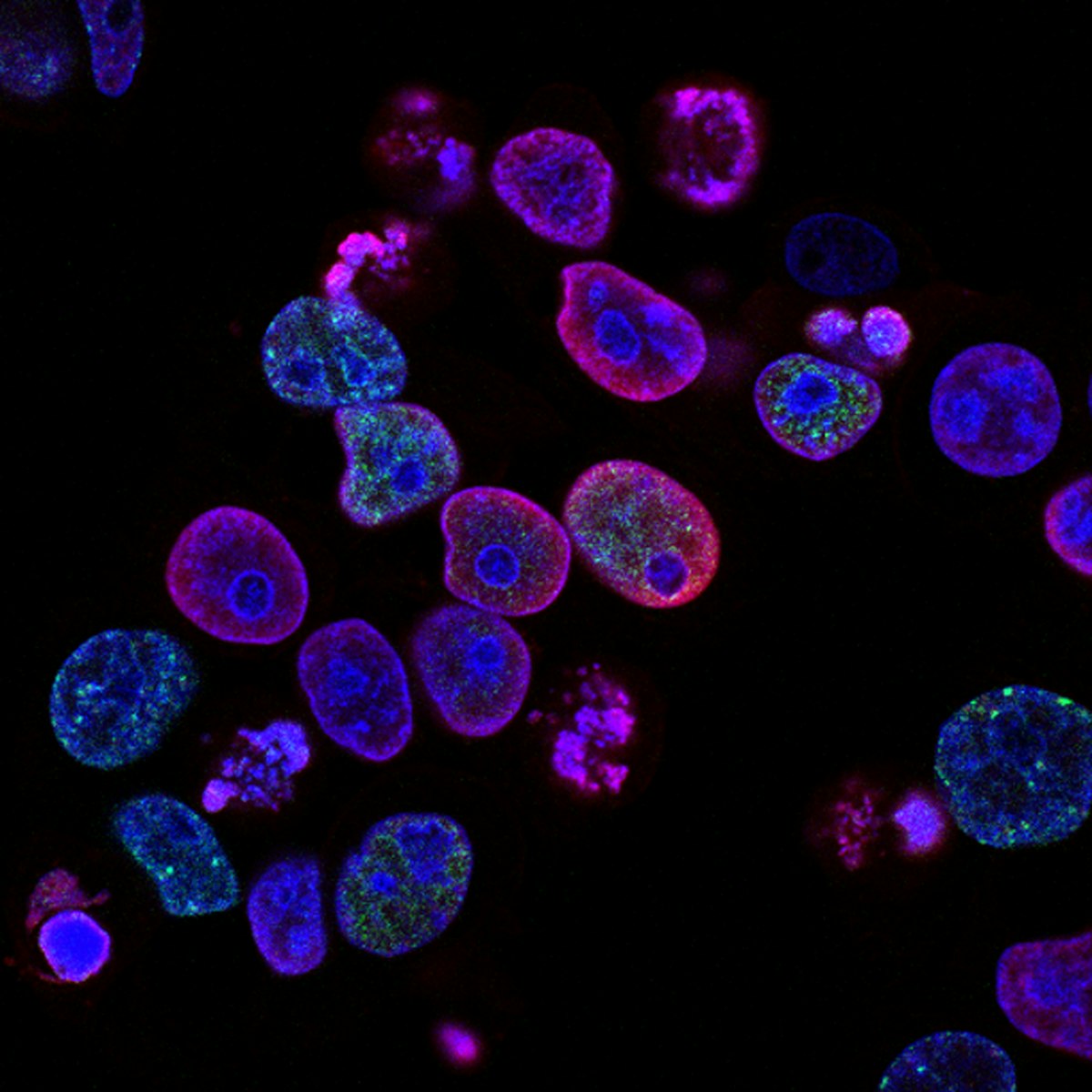
Modern neuroimaging is revealing how gut microbes alter brain structure and function. Image: Unsplash
The gut-brain axis refers to the complex communication network linking your gastrointestinal tract and your central nervous system. This isn’t a metaphor — it’s a hardwired biological superhighway with multiple lanes of traffic.
The most famous route is the vagus nerve, the longest cranial nerve in your body, running directly from your brainstem to your abdomen like a fiber-optic cable. It carries signals in both directions, allowing your gut to send instant messages to your brain about hunger, fullness, danger, and emotional states. Remarkably, approximately 80-90% of vagus nerve traffic flows upward — from gut to brain, not the other way around. Your gut is doing most of the talking.
But the vagus nerve is just one pathway. The gut-brain axis also operates through:
- Neural Pathways: The vagus nerve and enteric nervous system (the “second brain” with 500 million neurons) transmit electrical signals directly to the brain.
- Immune Pathways: Gut microbes regulate systemic inflammation. When the gut barrier becomes “leaky,” bacterial components like lipopolysaccharides (LPS) enter the bloodstream, triggering inflammatory cytokines (IL-6, TNF-α) that cross the blood-brain barrier and alter mood and cognition [^1^].
- Endocrine Pathways: Gut bacteria influence the hypothalamic-pituitary-adrenal (HPA) axis — your body’s stress response system — modulating cortisol release.
- Metabolic Pathways: Microbes produce short-chain fatty acids (SCFAs), neurotransmitters, and other metabolites that directly affect brain function.
A landmark 2025 Mendelian randomization study analyzing genome-wide data found bidirectional causal relationships between specific gut bacteria genera (like Bacteroides and Marvinbryantia) and brain structure changes, as well as psychiatric risk [^1^]. In other words, your microbes shape your brain, and your brain shapes your microbes. It’s a two-way street.
How Your Gut Talks to Your Brain
To understand why your diet affects your mental state, we need to examine the molecular messengers involved. Your gut microbes are essentially tiny pharmaceutical factories, churning out compounds that cross into your bloodstream and reach your brain.
Neurotransmitter Production
Here’s a fact that still astonishes researchers: over 90% of your body’s serotonin — the “feel-good” neurotransmitter targeted by antidepressants like Prozac — is produced in your gut, not your brain. Specialized gut cells called enterochromaffin cells synthesize serotonin, and gut bacteria like Lactiplantibacillus plantarum contain genes for serotonin biosynthesis via the tryptophan metabolic pathway [^1^].
But serotonin isn’t the only neurotransmitter your gut manufactures. Certain Lactobacillus and Bifidobacterium strains produce gamma-aminobutyric acid (GABA), the brain’s primary inhibitory neurotransmitter that calms anxiety. Others produce dopamine (the reward and motivation molecule) and acetylcholine (critical for memory and focus). When your gut microbiome is out of balance, production of these crucial brain chemicals falters.
The gut microbiome doesn’t just influence digestion and immune function. It is fundamentally reshaping our understanding of mental health and neurological function at the molecular level.
— Frontiers in Cellular and Infection Microbiology, 2026Short-Chain Fatty Acids (SCFAs): Brain Fuel
When beneficial gut bacteria ferment dietary fiber, they produce short-chain fatty acids — primarily acetate, propionate, and butyrate. These molecules are far more than waste products; they’re powerful signaling compounds.
SCFAs strengthen the intestinal barrier (preventing “leaky gut”), reduce systemic inflammation, and can even cross the blood-brain barrier to influence neuroplasticity. Research shows that individuals with depression often have depleted SCFA-producing bacteria like Faecalibacterium prausnitzii — a species known to increase anti-inflammatory IL-10 while suppressing pro-inflammatory cytokines [^1^]. Low levels of SCFAs have also been linked to schizophrenia, bipolar disorder, and PTSD.
The Tryptophan-Kynurenine Pathway
Tryptophan, an essential amino acid found in foods like turkey, eggs, and nuts, is the raw material for serotonin. But in the presence of gut inflammation, tryptophan gets diverted down the kynurenine pathway instead — producing neurotoxic metabolites that contribute to depression, cognitive impairment, and neurodegeneration. Your gut bacteria determine which direction tryptophan takes: toward mood-boosting serotonin or toward brain-damaging kynurenines [^1^].
Food and Mood: The Depression Diet Link
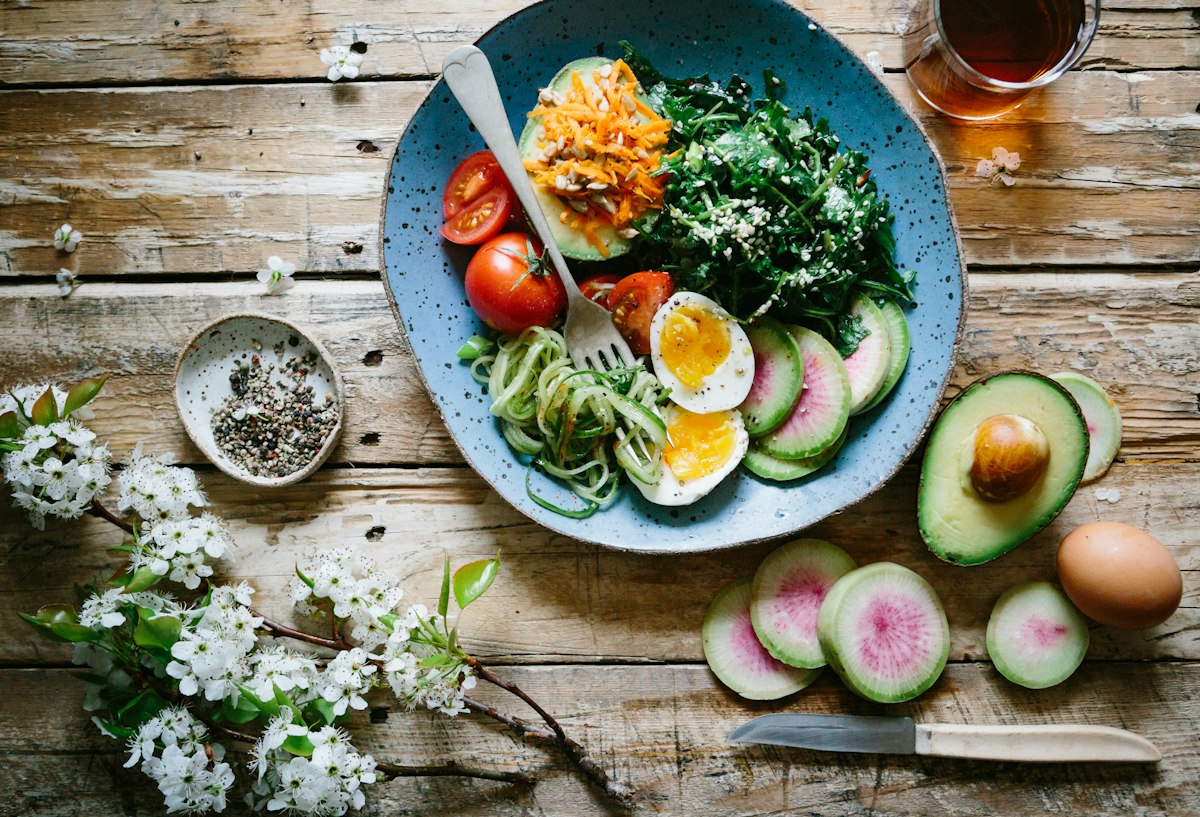
The Mediterranean diet isn’t just heart-healthy — it’s brain-protective. Image: Unsplash
If gut bacteria influence depression, can changing your diet change your mood? The answer, according to mounting clinical evidence, is yes.
The landmark SMILES trial (Supporting the Modification of Lifestyle in Lowered Emotional States), conducted by researchers at Deakin University and published in BMC Medicine, was the first randomized controlled trial to test dietary improvement as a treatment for major depression. Participants who received nutritional counseling — focusing on a Mediterranean-style diet rich in vegetables, fruits, whole grains, legumes, fish, and olive oil — showed significantly greater improvement in depressive symptoms compared to those receiving only social support [^1^].
What makes dietary patterns so powerful? It’s the combined effect on the microbiome:
Fiber-Rich Foods
Feed beneficial bacteria, increasing SCFA production and strengthening the gut barrier. Sources: legumes, oats, flaxseed, vegetables.
Omega-3 Fatty Acids
Found in fatty fish, walnuts, and flax. Reduce neuroinflammation and promote BDNF (brain-derived neurotrophic factor) for neuroplasticity.
Polyphenols
Plant compounds in berries, dark chocolate, and green tea. Act as prebiotics and cross the blood-brain barrier to protect neurons.
Tryptophan Sources
Turkey, eggs, cheese, nuts, and seeds provide the building blocks for serotonin synthesis — when gut bacteria process them correctly.
Conversely, the Western diet — high in refined sugars, processed meats, industrial seed oils, and ultra-processed foods — is a microbiome disaster. Studies link ultra-processed diets to reduced microbial diversity, increased intestinal permeability, elevated systemic inflammation, and higher rates of depression and anxiety [^1^]. One systematic review and meta-analysis found that early antibiotic exposure (which devastates developing microbiomes) significantly increases the risk of psychiatric and neurocognitive outcomes later in life [^1^].
⚡ Key Insight: Inflammation is the Middleman
Depression isn’t just “in your head” — it’s often in your gut. Chronic low-grade inflammation, driven by gut dysbiosis and leaky gut, is now recognized as a core mechanism in depression. Elevated pro-inflammatory cytokines like IL-6 and TNF-α:
- Disrupt neurotransmitter synthesis (serotonin, dopamine, norepinephrine)
- Impair neuroplasticity by suppressing BDNF expression
- Alter the blood-brain barrier’s permeability
- Activate the kynurenine pathway, producing neurotoxic metabolites
The right diet reduces this inflammatory cascade at its source — your gut.
Focus, Energy & The Microbiome
Beyond mood, your gut microbiome profoundly affects cognitive function — your ability to focus, remember, and sustain mental energy throughout the day.
Research published in 2025 revealed that a gut-derived metabolite can directly alter brain activity and anxiety behavior in mice, demonstrating that microbial products don’t just influence the brain indirectly — they change how neural circuits fire [^1^]. In humans, multi-omics studies in first-episode schizophrenia patients found associations between specific microbial taxa, altered plasma metabolites (including GABA and tryptophan derivatives), and disruptions in brain network connectivity [^1^].
The Energy Connection
That mid-afternoon crash might not be about sleep — it might be about your gut. Here’s how:
Mitochondrial function: Gut bacteria produce metabolites that influence mitochondrial biogenesis and function in your cells. Poor mitochondrial health means less cellular energy — brain fog, fatigue, and lack of motivation.
Blood sugar regulation: The microbiome influences insulin sensitivity and glucose metabolism. Dysbiosis contributes to blood sugar roller coasters that manifest as energy crashes and difficulty concentrating.
Vitamin synthesis: Gut bacteria synthesize B-vitamins (B1, B2, B5, B6, B12, folate) and vitamin K — nutrients essential for brain energy metabolism, neurotransmitter synthesis, and myelin formation. A 2020 study found that folate released by fermenting bacteria in the human intestine plays a novel and critical role in neurological health [^1^]. Deficiency in vitamin B5 (pantothenic acid), produced by gut microbes, has been identified as a potentially reversible cause of neurodegeneration [^1^].
Before reaching for another coffee, consider these gut-related causes of poor focus:
- Small Intestinal Bacterial Overgrowth (SIBO): Excess bacteria in the small intestine ferment carbohydrates, producing gas and toxins that trigger brain fog.
- Candida Overgrowth: Yeast overgrowth produces acetaldehyde, a neurotoxin that impairs cognitive function.
- Histamine Intolerance: Certain gut bacteria produce histamine; others degrade it. Imbalance leads to histamine excess, causing anxiety and concentration issues.
- LPS Translocation: “Leaky gut” allows bacterial endotoxins into the bloodstream, triggering systemic inflammation that clouds cognition.
The Rise of Nutritional Psychiatry

Nutritional psychiatrists are now part of integrative mental health teams worldwide. Image: Unsplash
Nutritional psychiatry is an emerging medical discipline that uses food and supplements as primary or adjunctive treatments for mental health disorders. It’s not alternative medicine — it’s evidence-based, rigorous, and gaining mainstream acceptance at remarkable speed.
Leading institutions are taking notice. The American Psychiatric Association now recognizes the importance of diet in mental health. The NIH has funded extensive research into the microbiome-mental health connection. And clinics worldwide are integrating dietary interventions into standard psychiatric care.
What distinguishes nutritional psychiatry from general wellness advice is its precision. Practitioners don’t just tell patients to “eat healthy.” They use:
- Microbiome testing to identify specific dysbiosis patterns
- Targeted prebiotic and probiotic protocols (called “psychobiotics”)
- Personalized anti-inflammatory diets based on inflammatory markers
- Nutrient status testing for omega-3s, B-vitamins, zinc, magnesium, and vitamin D
- Elimination protocols for gluten, dairy, or other immune-triggering foods
A 2022 review in Frontiers in Nutrition concluded that “nutrition and diet represent modifiable risk factors for mental health disorders” and that “dietary interventions should be considered as a viable therapeutic strategy” alongside conventional treatments [^1^]. The field is moving from “interesting hypothesis” to “clinical standard of care.”
What to Eat for a Happier Brain
Theory is valuable, but practice changes lives. Here are the evidence-based dietary strategies that support a healthy gut-brain axis:
1. Eat 30+ Different Plants Per Week
The American Gut Project found that people who ate more than 30 different types of plants per week had significantly more diverse microbiomes than those eating fewer than 10. Diversity in your diet creates diversity in your gut — and microbial diversity is strongly associated with better mental health outcomes. This includes vegetables, fruits, legumes, grains, nuts, seeds, herbs, and spices.
2. Prioritize Fermented Foods
A 2021 Stanford study showed that a diet high in fermented foods (kimchi, sauerkraut, kefir, yogurt, kombucha, miso) increased microbial diversity and decreased inflammatory markers. Start with 1-2 servings daily. These foods introduce beneficial live bacteria while providing prebiotic fibers that feed your existing microbes.
3. Feed Your Bacteria Fiber
Most adults eat only 15 grams of fiber daily — half the recommended 30-38 grams. Your gut bacteria need fiber to produce SCFAs. Focus on:
- Resistant starch: Cooked and cooled potatoes/rice, green bananas, oats
- Inulin: Chicory root, Jerusalem artichoke, garlic, onions, asparagus
- Pectin: Apples, pears, citrus fruits
- Beta-glucan: Oats, barley, mushrooms
4. Embrace Omega-3s
Fatty fish (salmon, sardines, mackerel, anchovies) 2-3 times weekly provides EPA and DHA — omega-3s that reduce neuroinflammation and support the integrity of the blood-brain barrier. For vegetarians, algae-based supplements offer direct DHA without the fish.
5. Eliminate or Reduce Gut Damagers
Some foods actively harm your microbiome and, by extension, your mental health:
- Artificial sweeteners: Sucralose, aspartame, and saccharin alter microbial composition and glucose tolerance
- Ultra-processed foods: Emulsifiers, preservatives, and additives disrupt the mucus layer protecting your gut lining
- Excessive alcohol: Damages the intestinal barrier and promotes dysbiosis
- Unnecessary antibiotics: Wipe out beneficial bacteria; use only when medically essential
- Industrial seed oils: High omega-6 to omega-3 ratios promote inflammatory pathways
If you’re currently taking psychiatric medication, do not stop or change your regimen without consulting your doctor. Nutritional psychiatry works best as a complementary approach, not a replacement for necessary medical care. Always discuss dietary changes with your healthcare provider, especially if you have existing health conditions.
The Future: Psychobiotics & Beyond
The next frontier is psychobiotics — live bacteria that, when ingested in adequate amounts, produce mental health benefits. Unlike general probiotics, psychobiotics are selected specifically for their neuroactive properties.
Research has identified several promising strains:
- Lactobacillus rhamnosus JB-1: Reduces anxiety-like behavior and stress-induced corticosterone in animal models. Restores brain neurochemical balance [^1^].
- Bifidobacterium longum: Synergistically alleviates stress-induced anxiety and depression by suppressing gut dysbiosis [^1^].
- Lactobacillus reuteri DSM 17938: Improves intestinal integrity, reduces systemic inflammation (lowering CRP), and reverses BDNF reductions linked to PTSD-like behaviors [^1^].
- Lactobacillus casei Shirota: Preserves microbial diversity and relieves abdominal dysfunction during academic stress [^1^].
Pilot human trials using prebiotic supplementation in veterans with PTSD revealed modest increases in SCFA-producing bacteria, reductions in pro-inflammatory taxa, attenuated stress responses, and trends toward decreased symptoms [^1^]. While large-scale clinical trials are still needed, the trajectory is clear: in the near future, your psychiatrist might write a prescription for specific bacterial strains alongside — or instead of — traditional antidepressants.
Beyond probiotics, researchers are exploring:
- Fecal Microbiota Transplantation (FMT): Transferring microbiota from healthy donors to patients with depression. Animal studies show FMT from depressed donors induces depression-like behaviors in recipients, while FMT from healthy donors shows promise for treatment [^1^].
- Precision Prebiotics: Tailored fiber compounds that selectively feed beneficial bacteria based on individual microbiome profiles.
- Postbiotics: Non-viable bacterial products (like butyrate) that deliver benefits without live cultures.
- Microbiome-Targeted Drugs: Pharmaceuticals that modulate specific microbial pathways rather than killing bacteria.
We are entering an era where mental health treatment will be personalized not just to your genes, but to your microbes. The gut-brain axis represents one of the most important paradigm shifts in psychiatry since the discovery of the first antidepressants.
— Emerging Consensus in Nutritional Psychiatry, 2026The Bottom Line
The evidence is no longer speculative. The gut-brain connection is a robust, multi-pathway biological reality that fundamentally reshapes our understanding of mental health. What you eat doesn’t just affect your waistline — it alters your neurochemistry, modulates your inflammation levels, changes your brain structure, and determines your capacity for mood regulation, focus, and energy.
The rise of nutritional psychiatry offers something rare in medicine: an intervention that is low-risk, low-cost, accessible to virtually everyone, and backed by rapidly accumulating scientific evidence. You don’t need a prescription to eat more vegetables, fermented foods, and omega-3s. You don’t need insurance approval to reduce ultra-processed foods. The power is, quite literally, on your plate.
Your brain and your gut have been talking your entire life. It’s time to start listening — and feeding the conversation wisely.
🥗 Start Your Gut-Brain Journey Today
Small dietary changes can yield profound mental health benefits. Which change will you make first?
Read Again & Take Notes📚 References & Further Reading
- The gut–brain connection: microbes’ influence on mental health and psychological disorders. Frontiers in Cellular and Infection Microbiology / PMC. Comprehensive 2026 review covering depression, anxiety, PTSD, schizophrenia, bipolar disorder, and mechanisms including inflammation, SCFAs, and neurotransmitter pathways. Read Full Study →
- SMILES Trial: A randomised controlled trial of dietary improvement for adults with major depression. Jacka et al., BMC Medicine, 2017. First RCT demonstrating dietary intervention efficacy for depression. Read Study →
- Nutrition and mental health: A review of current knowledge about the impact of diet on mental health. Grajek et al., Frontiers in Nutrition, 2022. Read Review →
- A gut-derived metabolite alters brain activity and anxiety behaviour in mice. Needham et al., Nature, 2022. Landmark study showing direct microbial metabolite effects on brain function. Read Study →
- Perturbations in gut microbiota composition in psychiatric disorders: A review and meta-analysis. Nikolova et al., JAMA Psychiatry, 2021. Large-scale meta-analysis confirming microbiome-mental health associations. Read Study →
- The role of the gut microbiota in modulating brain structure and psychiatric disorders: A Mendelian randomization study. Ye et al., NeuroImage, 2025. Bidirectional causal evidence for gut-brain relationships. Read Study →